
Graphite, as an allotrope of carbon, has demonstrated extensive application value in industries such as manufacturing, energy, and science and technology due to its unique layered structure and excellent physical and chemical properties.
The application of graphite in the metallurgical industry has evolved from a single refractory material to a composite system integrating functional materials, structural materials and intelligent materials. With the development of new energy metallurgy (such as hydrogen-based shaft furnaces) and near-net-shape manufacturing technology, the role of graphite will shift from a “consumable” to a “value-added material”. According to industry predictions, by 2030, the market size of metallurgical graphite will exceed 20 billion US dollars, among which the proportion of high-end special graphite will exceed 40%. This material is reshaping the technological boundaries of the metallurgical industry and driving it towards high efficiency, low carbon and intelligence
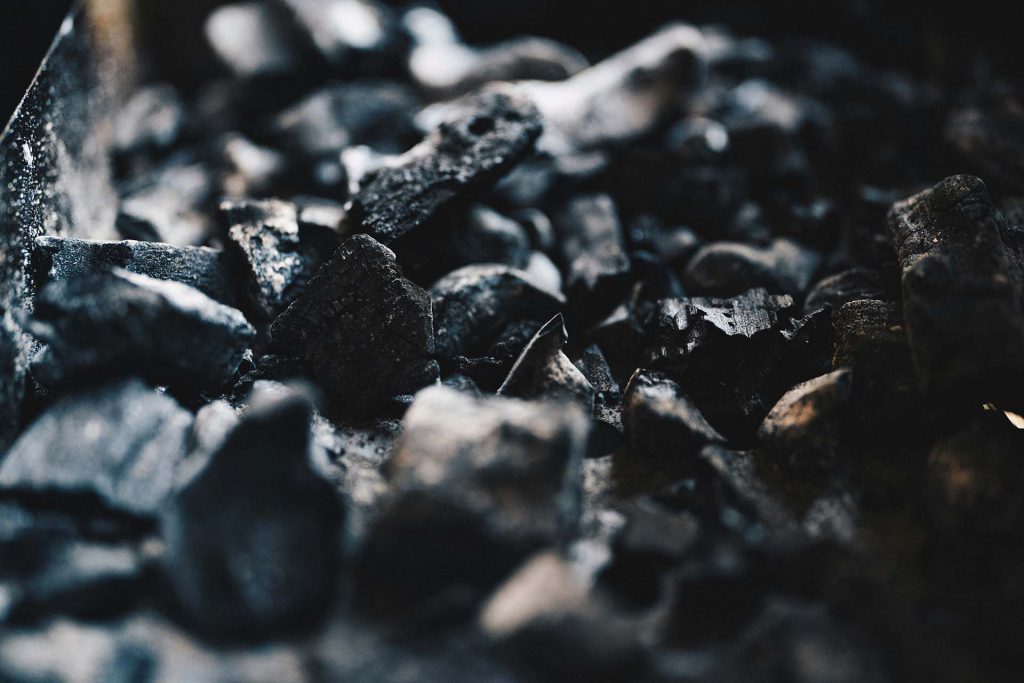
Graphite is a key functional material in essential industries, its high-temperature resistance, electrical conductivity, corrosion resistance, and self-lubrication properties providing a solid foundation for production. In metallurgy, graphite electrodes power electric arc furnaces for steelmaking, anodes support aluminum electrolysis production, and carbon bricks in hearths extend the life of blast furnaces. In the chemical industry, graphite heat exchangers are acid- and alkali-resistant, enabling efficient heat transfer between media like hydrochloric and acetic acids, and allowing leak-free transport of corrosive fluids in towers and pipelines. In the energy sector, it serves as the conductive core of dry cell positive electrodes and lead-acid battery plates. In the mechanical sector, its self-lubricating properties are ideal for lubricating bearings in mines, and its seals prevent leaks in pumps and reactors, comprehensively ensuring the stable operation of essential industries.
Graphite is a core material in the energy sector, supporting diverse applications with its conductive and energy storage properties. On the energy storage side, spherical/artificial graphite is the core of lithium battery anodes, achieving efficient energy storage through intercalation of lithium, making it suitable for new energy vehicles and energy storage power stations. Graphite coatings enhance the conductivity and corrosion resistance of lead-acid battery plates, and serve as a conductive carrier for dry cell positive electrodes. On the energy conversion side, graphite electrodes are used in electrolysis for hydrogen production, and nuclear graphite can also serve as a neutron moderator in reactors, enabling comprehensive energy storage and conversion.
Graphite is a core material in the energy sector, supporting diverse applications with its conductive and energy storage properties. On the energy storage side, spherical/artificial graphite is the core of lithium battery anodes, achieving efficient energy storage through intercalation of lithium, making it suitable for new energy vehicles and energy storage power stations. Graphite coatings enhance the conductivity and corrosion resistance of lead-acid battery plates, and serve as a conductive carrier for dry cell positive electrodes. On the energy conversion side, graphite electrodes are used in electrolysis for hydrogen production, and nuclear graphite can also serve as a neutron moderator in reactors, enabling comprehensive energy storage and conversion.
Graphite has critical and cutting-edge applications in science and technology. In semiconductor manufacturing, high-purity graphite is used in high-temperature furnace components and wafer jigs to prevent contamination and ensure chip yield. In electronics heat dissipation, graphite film/paper, due to its high thermal conductivity (2-3 times greater than copper), is used in mobile phones, AI chips, and satellite equipment, solving heat dissipation challenges in compact spaces. Its derivative material, graphene (single-layer graphite), is a key candidate for flexible displays, biosensors, and high-frequency electronic devices, driving breakthroughs in flexible electronics, smart sensing, and other technologies.
Welcome to contact us.
We will provide you with professional and high-quality services!